Healing is most effective when clinical excellence is paired with genuine human connection.
At Bayit Miklot, our clinical model combines evidence-based mental health care with the warmth of a supportive community, creating an environment where every individual is treated with dignity, compassion, and respect.
We believe the most effective care addresses the whole person—not simply symptoms or diagnoses.

Every community member receives a personalized treatment plan developed collaboratively with our clinical team, ensuring care is tailored to their unique needs, goals, strengths, and pace of recovery.
As individuals grow, their care evolves with them.
Because recovery is never one-size-fits-all.
These include:
Every therapeutic approach is delivered within an environment of dignity, safety, and compassionate relationships.
Our multidisciplinary team works collaboratively to support every aspect of recovery.
Care may include:
Each person's care is coordinated so that every professional is working toward shared goals.
Our approach supports growth across every dimension of wellbeing:
Because lasting recovery is about building a meaningful life—not simply managing symptoms.
It’s not just integrated care.
It’s people, professionals, and community intentionally working together around one individual.
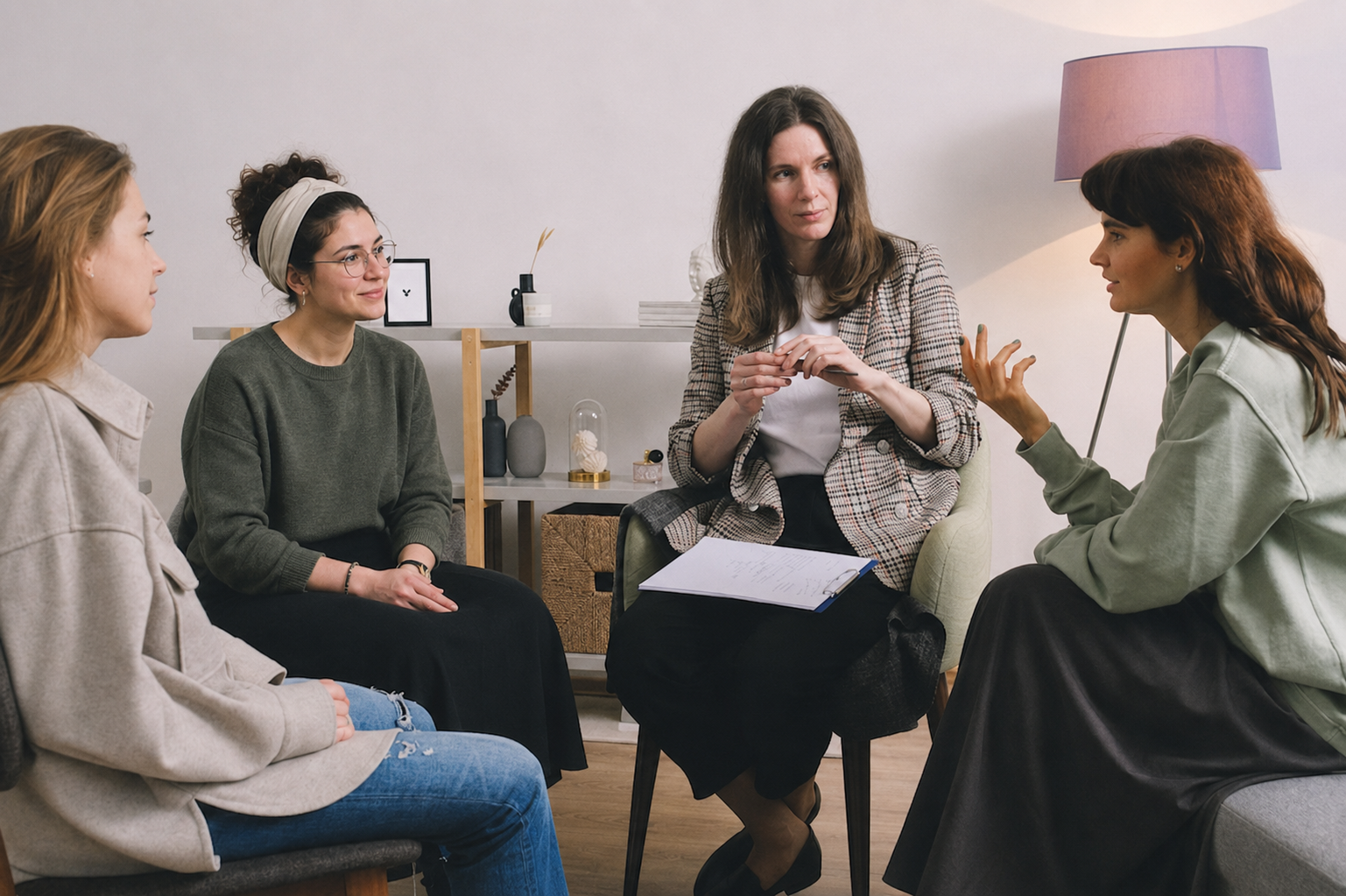
Whenever appropriate, we actively collaborate with referring professionals, therapists, psychiatrists, hospitals, treatment centres, and family members to ensure continuity of care and thoughtful transitions throughout each stage of recovery.
Healing is never the work of one person alone. It is a shared commitment.
Our clinical care is firmly grounded in evidence-based practice while being delivered within a framework of timeless Jewish values.
We believe science and compassion strengthen one another.
Together, they create an environment where healing can truly flourish.
Our goal is to help every community member develop the confidence, resilience, relationships, and life skills needed to thrive long after formal treatment has ended.
Because true recovery is measured not only by symptom reduction, but by the ability to live a meaningful, connected, and purposeful life.
“Clinical care helps people recover. Compassion, community, and purpose help them flourish.”